さて、世界史の口頭試験いかがでしたか?
My notes:
The world before WWI, different, the modern world was shaped by WWI and WWII
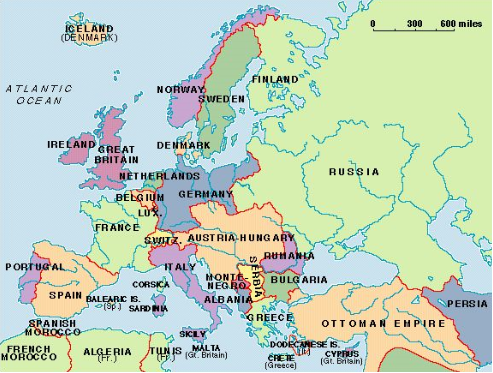
The modern world, Europe, map, country boundaries and languages throughout most of Europe, the country boundary closely match up with where the languages are spoken, linguistic boundaries
Things were different before WWI. recognize the boundaries; united kingdom, Spain, France, Italy,
Germany is different, The German Empire, 1900s and the Russian Empire swallowing up bunch of linguistic groups,
huge Austria-Hungary, Austro-Hungarian empire, gobble all different types of ethnicities, leading into WWI The most important things to understand; how WWI started formally annexed Bosnia and Herzegovina linguistic map, Serbian Croatian , linguistically and ethnically connected
the desire to connect with people with similar ethnicity and language backgrounds led what happened in WWI, sparked and fueled, powder cake of WWI
ottoman empire, 1914, Turkey was parts of the remnants of Ottoman Empire modern day Turkey, modern middle east, must of Arab world, Syria, Iraq, Lebanon, Israel, Saudi Arabia, was a the dying state of Ottoman Empire, at peak it controlled much of Muslim world, northern Africa, a bit of Persia, good bit of Balkan southeast Europe
WWI-no linguistic or ethnic boundaries, Empires existed as we exited out of 1800s not just Europe, Austro-Hungarian, Middle East, Ottoman Emp.
Empire map, British Empire, Great Britain, UK, India, Egypt, Canada, Australia, NZ, significant part of Africa under British control
Race for Empire, between major powers of Europe GBUK, German Emp. started to militarize, arms race, French much of Africa
ego, spread influence, power a lot of it was ethnic beliefs, civilization rationalization to take control other people/s resources, raw materials, oil, define the power was a power at all.
Q:What are the significant characteristics of the world before WWI and who are the major players in it?
A: Much of the modern world is shaped largely based on what happened in WWI and II. The modern world is basically divided by linguistic and ethnic groups; however, in the pre-WWI era, these boundaries were, for the most part, ignored. The significant characteristics of the world before WWI are the empires, where European powers tried to expand their influences for raw materials, especially for oil.
The major players of this era are the Austro-Hungarian Empire, which occupied modern Austria and Hungary annexing Bosnia and Herzegovina; the Ottoman Empire, which had influences on most of the Middle East and the Arab world, the British Empire, which had India, Canada, Australia, New Zealand, much of Africa under its control; and the German Empire trying to expand its influences.
これで、1分のスピーチです。
 Adamorbis 英語